About The City of Tampa
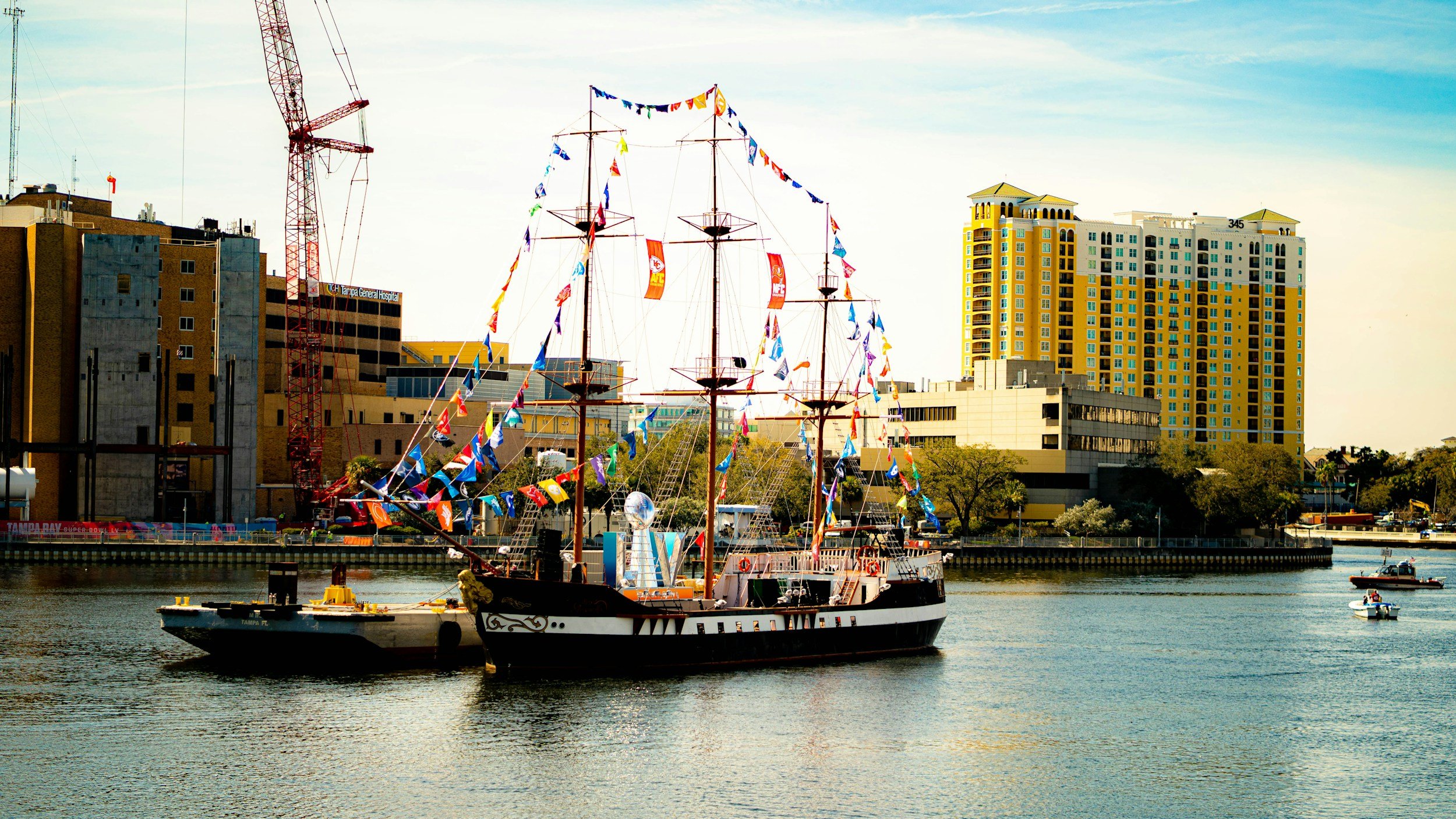
Tampa’s identity has long been shaped by the water that surrounds it. Situated along Tampa Bay and connected to the Gulf of America, the city’s early development was driven by its natural harbor, which supported Indigenous communities and later enabled trade, shipbuilding, and maritime commerce. The growth of Port Tampa Bay as a deepwater port helped transform Tampa into a regional economic hub, linking the city to global supply chains and international markets—a role it continues to play today.
The waterfront has also been a gateway for people and cultures. Waves of immigrants—most notably Cuban, Spanish, and Italian communities—helped shape Tampa’s social and economic fabric, particularly in neighborhoods like Ybor City. These cultural roots remain visible today, contributing to Tampa’s identity as a diverse and dynamic city where traditions, languages, and communities intersect. In this way, the water has connected Tampa not only to the world beyond its shores, but to itself.
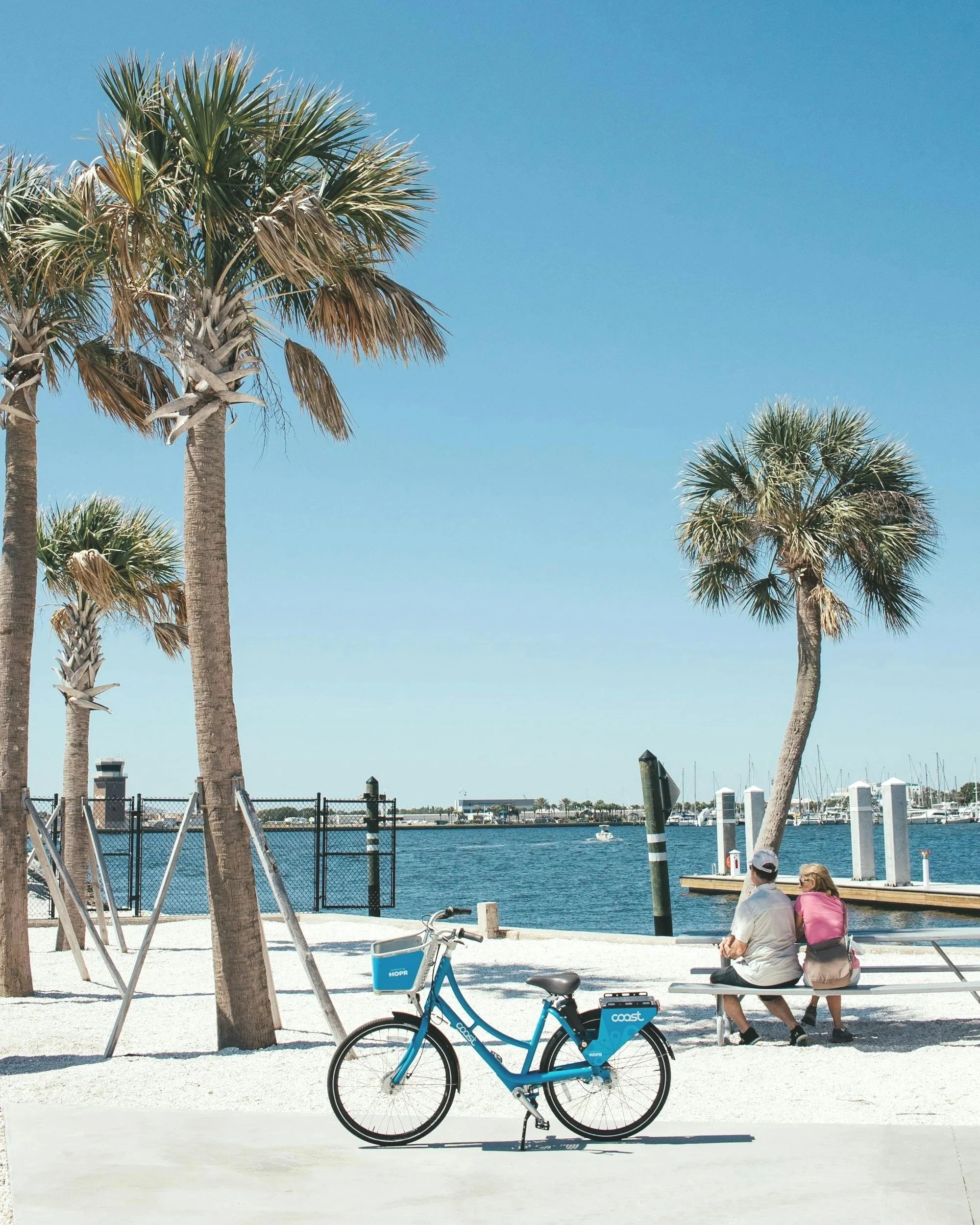
Beyond commerce and culture, Tampa’s waterways create shared space. The Riverwalk, Bayshore Boulevard, and nearby beaches serve as common ground where residents and visitors gather to enjoy the city together. At the same time, water also demands resilience. Hurricanes, storm surge, and flooding are collective experiences that remind Tampa residents of our shared vulnerability—and the importance of planning, adaptation, and community response.
As a Tampa native, the water represents both connection and responsibility. It brings people together during moments of joy and requires us to persevere together during moments of challenge. Tampa’s future depends on how well we steward our waterfront—not only as an engine of economic vitality and cultural exchange, but as a foundation for community resilience and inclusion.
My Community: Setting the Stage
Feel free to listen in on my Tampa CityLab introduction, and navigate to my Innovation Framework to learn more!